Catford Bridge station rubbish collection tips for commuters
Posted on 16/07/2026
If you commute through Catford Bridge station, you already know how quickly a busy platform can go from tidy to messy. Coffee cups get balanced on ledges, takeaway wrappers slip out of coat pockets, and a full bin can make a small space feel twice as cramped. That is exactly why Catford Bridge station rubbish collection tips for commuters matter: they help you move through the station cleanly, keep waste where it belongs, and make the journey smoother for everyone around you.
Truth be told, this is one of those everyday things people only notice when it goes wrong. A blocked bin, litter on the floor, or a spill near the gate line can slow people down and create a grim first impression. The good news is that a few smart habits make a real difference. In this guide, you will find practical advice on how rubbish collection around the station works, what commuters can do differently, common mistakes to avoid, and a few grounded tips that are easy to use even on a rushed morning.
Whether you are heading into central London, changing trains, or just passing through with a half-finished breakfast and not enough time, this article should help you keep things simple. Let's face it, nobody wants to be the person trying to squeeze a coffee cup into an already overflowing bin while the train doors are about to shut.
Why Catford Bridge station rubbish collection tips for commuters Matters
At a station, waste management is not just about tidiness. It affects flow, safety, hygiene, and the overall commuter experience. Catford Bridge station sees the usual daily mix of hurried passengers, short waiting times, takeaway packaging, drinks, and wet-weather debris. That combination creates small but constant waste pressure.
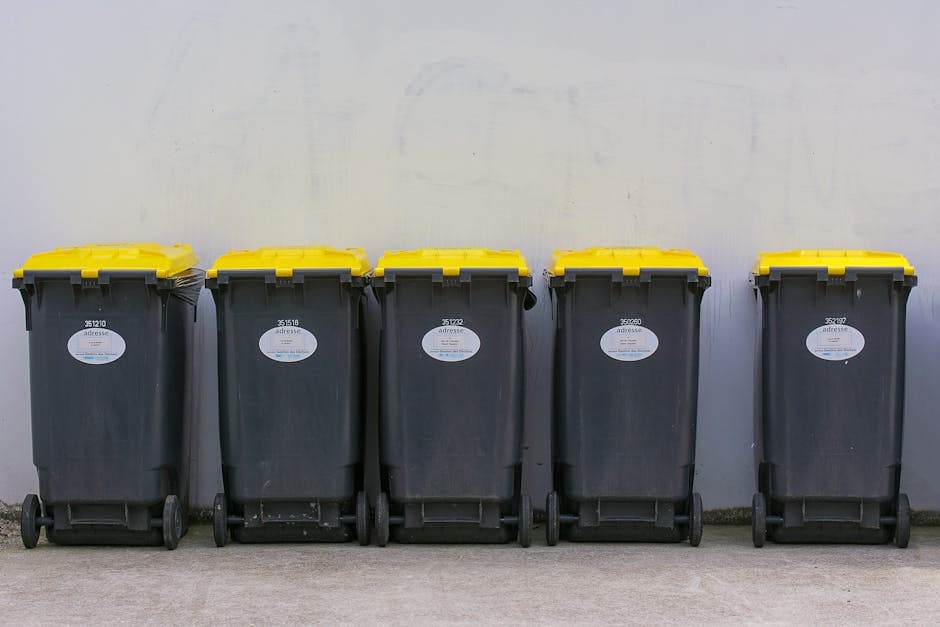
When rubbish is handled well, the station feels calmer. People can move through entrances and platforms without stepping around stray cups or sandwich wrappers. Bins are easier to use, cleaners can work more efficiently, and commuters are less likely to drop litter out of frustration because the nearest bin is out of reach or full. Small stuff, yes. But it adds up fast.
There is also a reputational side to this. A station that feels clean gives a stronger impression of care and reliability. For regular commuters, that matters more than most people admit. You may not say it out loud, but a neat platform makes the whole trip feel less chaotic, especially on a damp winter morning when everything already seems slightly behind schedule.
For commuters, the practical angle is simple: if you understand how rubbish collection works around the station, you can make better split-second choices. Keep your waste until you see a proper bin. Separate recyclables where facilities allow it. Avoid leaving items on ledges, seats, or the floor "just for a minute." That minute tends to turn into a litter problem.
How Catford Bridge station rubbish collection tips for commuters Works
Station rubbish collection usually works on a routine basis, with cleaning and collection activity designed around passenger flow. Waste is gathered from bins, platform areas, entrance points, and any high-traffic zones where litter tends to build up. The precise schedule may vary depending on the day, staffing, local arrangements, and traffic volume, so it is better to think in terms of a cleaning system rather than a single fixed time.
From a commuter's point of view, the useful part is understanding the rhythm. Early morning can be relatively clear, then bins start filling as the rush builds. Lunchtime brings food packaging. Late afternoon often means mixed waste: receipts, drink containers, tissues, and the odd umbrella sleeve after rain. If you notice that pattern, you can plan ahead a bit. Nothing dramatic. Just enough to avoid adding to the congestion.
In practice, rubbish collection works best when commuters and cleaning teams are doing their own part. Staff can empty bins and clear spaces, but passengers can help by using bins correctly, not overstuffing them, and not leaving waste in temporary spots like the top of a bin lid or beside a seat.
One helpful way to think about it is this: collection is reactive, but commuter behaviour is preventive. If you prevent litter from entering the environment in the first place, the whole station stays more manageable. A tiny habit, repeated every day, makes a larger difference than people expect.
Key Benefits and Practical Advantages
There are some obvious benefits to better rubbish handling at Catford Bridge station, and a few less obvious ones too.
- Cleaner shared spaces: Platforms, concourses, stairways, and waiting areas feel more comfortable.
- Faster movement: Fewer obstacles mean less weaving around litter or overfilled bins.
- Better hygiene: Less waste means fewer odours, spills, and mess around food and drink areas.
- Lower frustration: A tidy station reduces the small daily irritations that make a commute feel worse than it needs to.
- More effective cleaning: Staff can focus on real collection work instead of chasing avoidable litter.
- Better public behaviour: When an area looks looked-after, people are more likely to keep it that way. Simple as that.
There is also a practical money-and-time angle, even if it is indirect. Better waste habits reduce the chance of spills, mess-related delays, and avoidable clean-up work. That is not just good for the station. It is good for the flow of the whole journey.
And for regular commuters, a cleaner station can make the day feel a bit less tiring. Not a miracle cure, obviously. But when your first step off the train is onto a tidy platform instead of a patch of litter, it changes the tone of the morning.
Who This Is For and When It Makes Sense
This advice is useful for almost anyone passing through Catford Bridge station, but it is especially relevant if you are part of one of these groups:
- Daily commuters carrying coffee, breakfast, or lunch packaging
- Occasional travellers who are less familiar with the station layout
- Parents and carers managing snacks, wipes, wrappers, and bottles
- People with mobility needs who benefit from uncluttered paths and clear bin access
- Anyone travelling in wet weather with tissues, umbrellas, and disposable packaging
- Passengers transferring quickly who need a fast, obvious way to dispose of waste without hunting around
It also makes sense during busier or messier periods: Monday mornings, Friday evenings, rainy days, and the lunch window when food packaging piles up. If you have ever walked onto a platform and thought, "Why does this always happen when I am late?", then yes, this is for you.
Even if you are not especially bothered by litter, there is a selfishly practical reason to care. Clean surroundings mean fewer delays caused by people stopping awkwardly at bins, fewer spill risks, and less chance of waste attracting more waste. One wrapper becomes five. Then ten. You know how it goes.
Step-by-Step Guidance
Here is a straightforward way to think about handling rubbish at the station without making it a whole mission.
1. Plan for waste before you leave home
If you know you will have a drink, snack, tissue, or takeaway container, decide in advance where it will go. This sounds almost too simple, but it works. Keep a small pouch or side pocket for dry waste if needed. That stops loose wrappers from getting shoved into the bottom of a bag and forgotten about until they start smelling like yesterday's lunch.
2. Use bins early, not at the last second
If you spot a bin and your waste is ready to go, use it. Do not wait until your arms are full and the doors are closing. A bin passed during a calm moment is much easier than one rushed past in a crowd.
3. Check whether the bin is actually suitable
Some stations separate general waste from recycling, while others use different arrangements depending on the area. If there is clear signage, follow it. If there is not, do not play bin detective for five minutes while blocking the path. Use the most appropriate available option and keep moving.
4. Never leave rubbish "temporarily"
This is the classic commuter trap. You put a cup on a bench, thinking you will grab it later. Then your train arrives. Then you forget. Then somebody else moves it, or it blows away. Temporary rubbish often becomes permanent rubbish. It is annoying, but there it is.
5. Flatten or secure packaging where possible
Cardboard sleeves, folded food boxes, and empty bottles take up less bin space when compressed sensibly. That helps collection teams and reduces the chance of bins overflowing early.
6. Carry non-bin waste with you if needed
Occasionally, you may have an item that should not go in the first bin you see, or there may simply not be an appropriate bin nearby. Hold onto it until you find the right place. That is better than forcing it somewhere unsuitable.
7. Watch your surroundings when leaving the station
A quick glance behind you is worth it. Check whether something has slipped from your pocket or bag. Platforms and gates are busy, and it is easy to drop a receipt, napkin, or bottle top without noticing.
Practical summary: if you can carry it in, you can usually carry it out until you find the right bin. That one habit solves a surprising amount of station mess.
Expert Tips for Better Results
Here are a few tips that are not flashy, but they do make commuter life cleaner and less stressful.
- Keep a small "waste pocket" in your bag: One zip pocket for wrappers and receipts stops clutter spreading through everything else.
- Use leak-proof drink containers: A damp bin area is bad enough; a leaking coffee cup lid is worse.
- Do a quick pocket sweep before boarding: Tickets, receipts, tissues, and gum wrappers love to hide in coat pockets.
- Avoid overfilling personal bags with rubbish: It sounds tidy in theory, but compressed waste can leak smell or mess. Not ideal on a crowded train.
- Take your waste with you if the station is packed: If bins are visibly full, hold on to your rubbish until you can dispose of it properly. Better that than forcing it into an overflowing bin.
- Be especially careful after rain: Wet paper, umbrellas, and soggy packaging create more mess and are more likely to drop from your hands.
Another thing people forget: if you are carrying food waste, the sooner it goes into the right bin, the better. Strong-smelling items on a warm day can turn a good commute into a slightly grim one. Nobody needs that before 9 a.m.
And yes, a tiny habit like folding a wrapper neatly might feel unnecessary. But when hundreds of people are doing tiny things badly, the station feels it.
Common Mistakes to Avoid
Most commuter litter problems do not come from bad intentions. They come from small errors that become routine. These are the ones worth avoiding.
- Leaving waste beside a full bin: This creates more mess than it solves and often gets blown or knocked away.
- Balancing rubbish on ledges or benches: It looks temporary, but it is really just litter with excuses.
- Stuffing too much into one bin: Overfilling makes the bin harder to use for everyone else and can lead to spill-out.
- Assuming cleaners will handle personal mess: Staff do important work, but commuters still need to take responsibility for their own waste.
- Dropping small items on the move: Bottle tops, napkins, and receipts are easy to lose and oddly hard to spot later.
- Not checking bag pockets before sitting down or boarding: This is how loose litter escapes at exactly the wrong moment.
One subtle mistake is treating a station bin like a domestic bin. It is not the same. Station bins fill quickly because so many people use them in a short space of time. If a bin looks near capacity, do not force more into it. That is how the problem starts.
Another one, and this is a classic, is the "I'll just put it here for a second" move. To be fair, everyone has done it at least once. But second becomes minute, minute becomes gone, and the wrapper is still there when the next person arrives.
Tools, Resources and Recommendations
You do not need specialist gear to be a cleaner commuter, but a few simple tools make life easier.
- Reusable bottle or coffee cup: Reduces disposable waste at the source.
- Fold-flat tote bag or commuter bag with compartments: Helps keep waste separate from clean items.
- Small resealable pouch: Useful for receipts, crisp packets, tissues, or other light waste.
- Hand sanitiser or wipes: Helpful after handling food waste or touching bin lids.
- Compact umbrella sleeve or wet pocket: Useful on rainy days when dripping items can make rubbish handling messy.
If you want a more organised wider clean-up approach for home, office, or shared spaces, you may also find it useful to read about broader waste handling habits on your own schedule. For example, if you are comparing practical service options, the information at house clearance services can help you understand how waste is handled in a more structured setting, while office clearance services gives a sense of how organised collection can reduce clutter in busy environments. Those pages are not about station litter specifically, but the principles overlap more than you might think.
For people dealing with regular clutter in homes, shared flats, or rented spaces, rubbish removal services is also a useful reference point for how waste is removed responsibly when everyday disposal is not enough.
Law, Compliance, Standards, or Best Practice
When rubbish collection is discussed in a station setting, there are a few common-sense standards that matter even if the exact process varies locally. The main one is simple: do not leave waste in a way that creates litter, obstruction, or a hazard for other passengers or staff.
In the UK, public waste behaviour is shaped by local authority rules, station operating expectations, and ordinary duties of care. You do not need to know the fine detail to act sensibly. If waste is likely to blow away, spill, block access, or attract more mess, it should be dealt with properly rather than left "for later." That is the real-world standard people follow.
For station environments, best practice usually includes:
- using designated bins rather than open surfaces
- keeping bins unblocked
- not overfilling waste containers
- separating recyclable material where clear signage exists
- reporting unusual mess, spillages, or bin issues to the relevant station staff where appropriate
If there is ever any uncertainty about a local disposal rule, follow the signage in the station and act conservatively. Better to carry an item a little longer than to dispose of it badly. That is especially true for liquids, food waste, and sharp packaging edges.
For businesses, facilities teams, or organisations looking at waste behaviour more broadly, good practice is usually about consistency: clear bins, sensible collection routines, and enough capacity to match footfall. The same logic applies at Catford Bridge station, just in a faster-moving, more public setting.
Options, Methods, or Comparison Table
Commuters usually have a few ways to handle waste on the move. Some are better than others depending on how busy the station is and what you are carrying.
| Method | Best for | Pros | Drawbacks |
|---|---|---|---|
| Use the first available bin | Dry, ordinary waste like wrappers and receipts | Quick, simple, usually the easiest option | Not ideal if the bin is already close to full |
| Keep waste in a bag pocket until you leave | Very busy periods or limited bin access | Stops littering, gives you more control | Needs a bit of organisation |
| Separate waste by type | Recycling-conscious commuters | Helps reduce mixed waste where facilities allow it | Requires clear bin signage and a small extra effort |
| Carry waste home or to the office | No suitable bin nearby | Prevents improper disposal | Only works if the item is sealed and manageable |
The best option is usually the one that matches the moment. Quiet station? Use the bin. Packed platform? Keep the item with you until disposal is sensible. Simple, really. The mistake is treating every situation the same.
If you are deciding between disposing immediately or holding onto waste, use this rough test: will this choice make the station cleaner without making your journey awkward? If yes, that is probably the right call.
Case Study or Real-World Example
Picture a weekday morning at Catford Bridge station. It is just after 8:00, the platform is full, and people are trying to move quickly without bumping into each other. One commuter finishes a pastry and has a folded paper sleeve, a coffee cup, and a receipt. The nearest bin is already partly full. Instead of forcing everything in and leaving the lid slightly open, they flatten the sleeve, keep the receipt in an inside pocket, and carry the cup until they reach a clearer bin near the exit.
That small decision makes a noticeable difference. The bin is not blocked. Nothing spills. No one has to squeeze past a half-open lid. It is not heroic, and it will not make the local news, but it is exactly how cleaner stations are maintained in real life. By lots of tiny decisions, repeated without much fuss.
Now compare that with the usual alternative: someone tosses the cup beside the bin because it is "full enough," another person drops a tissue on top, a third person leaves a lid on the bench, and within ten minutes the area looks twice as untidy as it actually is. That is how clutter snowballs. Quietly, then suddenly.
In our experience, the most effective commuters are not the ones who obsess over every scrap. They are the ones who have a tiny plan. One pocket for waste. One glance for a bin. One habit of not leaving anything behind. Boring? Maybe. Effective? Absolutely.
Practical Checklist
Use this quick checklist before and during your commute. It is simple, but it works.
- Pack a reusable bottle or cup where possible
- Keep a small pocket or pouch for wrappers and receipts
- Use bins early rather than waiting until the last second
- Do not leave waste on benches, ledges, or the floor
- Check bin capacity before trying to force more waste in
- Carry items with you if there is no suitable bin nearby
- Flatten packaging to save space
- Watch for dropped items when boarding or leaving
- Keep food waste sealed until disposal
- Use hand sanitiser after handling messy rubbish
Quick rule of thumb: if an item could blow away, drip, smell, or block access, do not leave it in a half-finished state. Finish the job properly. That is the whole trick.
Conclusion
Catford Bridge station rubbish collection tips for commuters are really about one thing: making a busy place easier to use. A cleaner station is calmer, safer, and less irritating to move through. And while one person's small action may not look like much, station cleanliness is built from those small actions all day long.
If you commute regularly, the best habit is to plan for waste before you need to deal with it. Keep rubbish contained, use bins sensibly, avoid temporary dump spots, and make a little effort when the station is crowded. That is how you stay helpful without slowing yourself down.
There is no need to overthink it. Just be steady, be considerate, and keep moving. That is enough most days.
Get a free quote today and see how much you can save.


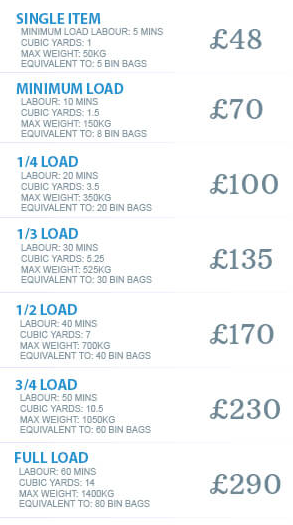
 Tipper Van - Rubbish Removal and Loft Clearance Prices in Catford, SE6
 Luton Van - Rubbish Removal and Loft Clearance Prices in Catford, SE6