Insider tips for rubbish removal near Catford Cat
Posted on 08/08/2026

If you have ever stood in a hallway full of boxed-up clutter, a worn-out sofa, or garden waste that has somehow multiplied overnight, you already know the problem: rubbish removal looks simple until you actually have to do it. The good news is that a few insider tips for rubbish removal near Catford Cat can save time, lower stress, and help you avoid the usual last-minute chaos. Whether you are clearing a flat, tidying a business space, or dealing with post-refurbishment waste, the right approach makes a huge difference. And yes, in Catford, timing and access matter more than people think.
This guide brings together practical local know-how, common mistakes, and sensible planning advice so you can make better decisions from the start. It is written for real life, not for perfect conditions. Because let's face it, rubbish rarely turns up when your diary is empty.
Why Insider tips for rubbish removal near Catford Cat Matters
Rubbish removal is not just about getting rid of unwanted items. It affects how quickly you can reclaim space, how safely you can move through your property, and how much you may end up spending if you leave things until the problem grows. In Catford, that matters even more because many homes, flats, and mixed-use spaces have shared entrances, limited parking, narrow access, or time restrictions that make rushed clearance awkward.
The phrase "insider tips" is useful here because the obvious advice only goes so far. Yes, you should sort your waste. Yes, you should compare options. But the real value comes from knowing what slows jobs down, what causes surprise costs, and what makes a clearance smoother on the day. For example, a front room pile that looks manageable can turn into a two-hour headache if stair access is tight and the items are awkward to carry. You notice that quickly once a team starts moving wardrobes and broken desks around bends and door frames.
If you want to understand the wider service landscape before booking anything, it helps to start with the services overview and then narrow your choice based on the actual job in front of you. A practical first step, really.
For homeowners, landlords, local businesses, and even people preparing to move, the biggest benefit is control. Better planning means less disruption. Less disruption usually means better value. It sounds obvious, but in busy households obvious advice is often the advice that gets ignored.
How Insider tips for rubbish removal near Catford Cat Works
At a practical level, rubbish removal near Catford usually follows a simple pattern: assess the waste, decide what needs to go, arrange the right method, and then clear it efficiently. The details, however, are where people either save money or create friction.
Here is the general flow most people find useful:
- Identify the waste type. Household junk, furniture, garden waste, builders' debris, and office clearance waste all behave differently.
- Estimate the volume. A few black bags is not the same as a roomful of broken furniture.
- Check access. Stairs, lifts, parking, rear entry, and loading space all affect the job.
- Choose the best method. Some jobs suit direct collection; others are better handled through a skip or a dedicated clearance service.
- Prepare the items. Sorting, separating hazardous pieces, and keeping pathways clear makes removal much smoother.
- Confirm the details. If in doubt, ask about timing, loading arrangements, and what is included.
That last point is where many people trip up. They assume "rubbish removal" means the same thing in every case. It doesn't. One provider may focus on mixed junk removal, another on a house clearance, and another on specific waste streams like furniture disposal or garden waste. A few minutes of clarification can prevent a very long afternoon.
If your project is more specialised, such as post-renovation debris or heavier waste, the dedicated builders' waste clearance in Catford page is worth reviewing because construction waste has its own practical challenges. Dust, weight, sharp edges, the lot.
Key Benefits and Practical Advantages
The main advantage of using a more considered approach to rubbish removal is not just convenience. It is fewer surprises. That matters whether you are emptying a garage, clearing a rental property, or trying to make a home presentable before a viewing.
Here are the benefits people tend to notice first:
- Faster turnaround: A clear plan reduces waiting around and avoids double handling.
- Less stress: You are not improvising while standing in the middle of a cluttered room.
- Better value: Accurate sorting and sizing often lead to a more efficient job.
- Safer moving: Fewer obstacles means fewer trips, scrapes, and awkward lifts.
- Cleaner finish: Good removal leaves the space ready for its next use, not halfway there.
There is also a subtle benefit that people overlook: decision clarity. Once you separate what is genuinely rubbish from what can be reused, donated, stored, or sold, the whole project feels lighter. That may sound a bit sentimental, but anyone who has cleared a loft on a rainy Saturday morning knows the mood shift is real.
If you are comparing disposal methods, it can help to think in terms of both speed and flexibility. A service like rubbish clearance in Catford may suit mixed household waste, while a more specific approach such as furniture disposal in Catford can be better when the job is mostly bulky items. The right fit usually beats the cheapest-looking option.
| Method | Best for | Strengths | Watch-outs |
|---|---|---|---|
| Direct rubbish clearance | Mixed household or general waste | Quick, flexible, often easiest for busy homes | Requires accurate volume estimate |
| Skip hire | Larger ongoing projects | Good for phased loading and renovation work | Needs space and may require permits depending on placement |
| Specialist item disposal | Bulky furniture or awkward loads | Useful for single-category waste | May not suit mixed loads |
| House or office clearance | Full-property clear-outs | Structured and efficient for larger spaces | Needs careful sorting before the day |
Who This Is For and When It Makes Sense
This kind of local rubbish-removal advice is useful for a surprisingly wide range of people. In practice, it helps anyone who needs to deal with waste quickly without creating extra work for themselves.
You will probably find it most useful if you are:
- moving house and want to reduce what comes with you
- clearing a rental or preparing a property for new occupants
- dealing with old furniture, white goods, or broken home items
- sorting out a garage, loft, shed, or outbuilding
- completing a refurbishment or light building project
- improving a shop, workspace, or office that has accumulated clutter
- refreshing a garden after pruning, landscaping, or seasonal tidy-up
It also makes sense if you live near busier roads or transport links where access windows are tighter. Some Catford residents prefer to plan collections around work hours or school runs, and that is sensible. A badly timed collection can be more annoying than the waste itself. You know the feeling: the street is busy, the bins are already out, and everyone seems to need the same parking space at once.
For homeowners researching the area more broadly, a local perspective can help with timing and planning around property work. The article on local insights for Catford gives useful context if you are weighing up how the area works day to day, while buying property in Catford is a good read if your clearance is tied to a purchase, renovation, or move.
For a slightly broader local angle, you might also find this Broadway guide to rubbish removal, the Rushey Green clearance guide, and commuter rubbish collection tips near Catford Bridge Station useful for local planning.
Step-by-Step Guidance
If you want the job to go smoothly, treat rubbish removal like a small project rather than a random chore. A bit of structure helps a lot.
- Walk the space first. Look at what needs to go and what needs to stay. Be ruthless, but not careless.
- Separate by type. Keep general waste, furniture, electrical items, garden cuttings, and building debris apart where possible.
- Measure awkward items. If a sofa, mattress, wardrobe, or desk is involved, note the dimensions. It saves guesswork.
- Check access points. Think about stairs, door widths, lift access, rear alleys, parking, and any tight corners.
- Remove obvious hazards first. Broken glass, sharp metal, damp waste, and anything fragile should be handled carefully.
- Decide what the team needs to know. Mention heavy items, fragile flooring, shared entrances, or time limits in advance.
- Choose your booking slot wisely. Early slots can help on busy days, while quieter windows reduce disruption in homes and offices.
- Do a final sweep. Before the collection, make sure items are easy to reach and pathways are clear.
One useful trick is to stage items in one place if the property layout allows it. A single "ready area" near an accessible exit makes removal simpler and usually quicker. Not glamorous, admittedly, but effective. Another small win: keep bagged waste tied securely. Nobody wants a loose spill on the stairs, least of all the person carrying it.
If the work is tied to a larger project, you may also want to explore loft clearance, garage clearance, or house clearance in Catford depending on where the clutter has built up. Each one tends to have its own little complications, naturally.
Expert Tips for Better Results
Here is where the real insider value shows up. These are the small adjustments that make a noticeable difference.
1. Sort before you book, not after
If you know what you have, you can choose the right method and avoid paying for space you do not need. Even a rough sort helps. Keep recyclable materials separate where practical, and flag anything unusual in advance.
2. Be honest about volume
People often understate how much waste they have. Usually by a lot. A single "few bits and pieces" can turn into a van-full if you actually count the bags, broken drawers, old shelves, and that mystery chair in the corner.
3. Tell the provider about access problems early
Limited parking, stair-only access, basement storage, and shared entrances all affect the job. Mentioning these details at the enquiry stage gives everyone a better chance of planning properly.
4. Separate anything reusable
Some items are not rubbish at all; they are just in the wrong place. A sturdy bookcase or a serviceable office chair may be better reused, sold, or repurposed. You do not need to decide everything, but do ask yourself: does this really need to be thrown away?
5. Match the service to the waste type
Builders' waste, garden waste, office clutter, and bulky furniture all benefit from slightly different handling. For example, seasonal outdoor clear-outs can be better handled through garden waste removal in Catford, while workplace clean-outs are often a better fit for office clearance.
6. Keep the paperwork mindset
You may not need a big folder, but you should keep a clear record of what was agreed, especially if the job includes mixed waste, access considerations, or security-sensitive premises. In real life, clarity prevents arguments. Boring, yes. Useful, also yes.
And if you are in any way unsure about safety or handling risks, read the guidance on insurance and safety. That one is worth a proper look. No drama, just sensible caution.

Common Mistakes to Avoid
Most rubbish removal headaches come from a handful of predictable mistakes. The good news is that they are easy to avoid once you know what to look for.
- Leaving sorting until collection day: It creates delays and confusion.
- Forgetting about access: A van can be ready, but if the route is blocked, nothing moves.
- Mixing waste types carelessly: This can make disposal less efficient and sometimes more expensive.
- Ignoring fragile or hazardous items: Broken glass, paint, and sharp debris need extra caution.
- Assuming every quote includes the same service: It often doesn't.
- Not measuring bulky items: Large furniture can be awkward even when it looks simple.
Another common mistake is using the wrong solution for the job. A small flat clearance and a full office strip-out are not the same thing. If your job is mostly items from a storage area, you may need a more targeted service such as junk removal in Catford or a dedicated rubbish collection service. The more accurately you match the task, the better the outcome tends to be.
It is also easy to underestimate the emotional side. Clearing a property after a move, a refurbishment, or a change in family circumstances can be tiring in a way that has nothing to do with lifting. That is normal. You do not need to do it all in one heroic burst.
Tools, Resources and Recommendations
You do not need a van and three mates to manage waste well, though that would be nice sometimes. A few simple tools and habits go a long way.
- Heavy-duty sacks: Useful for mixed small waste and bagged light items.
- Marker pen and labels: Great for separating items by room or waste type.
- Measuring tape: Helpful for bulky furniture and tight access.
- Gloves and sturdy footwear: Basic but genuinely important.
- Phone photos: Handy for getting a clearer quote or planning the collection.
- Clear floor space: Not a tool exactly, but probably the most useful thing you can create.
In terms of recommendations, think in layers:
- For mixed household waste: look at a general clearance approach.
- For heavier or renovation waste: a specialist builder-focused solution is usually better.
- For large furniture volumes: item-by-item handling often works best.
- For property-wide clear-outs: a structured clearance service saves time and reduces confusion.
For pricing clarity, it is sensible to review pricing and quotes before you commit. That page can help you think through what affects cost, without making assumptions about your exact job. If you want to see how the business presents itself more broadly, about the company is useful too.
And if you care about reuse and disposal responsibility, the page on recycling and sustainability is worth reading. People often want to do the right thing here, they just need a clear route to do it.
Law, Compliance, Standards, or Best Practice
Rubbish removal in the UK sits within a framework of common-sense legal and operational expectations. You do not need to be an expert in waste legislation to make a good choice, but you should know the basics.
First, waste should be handled responsibly and taken to appropriate facilities. Second, anyone removing waste professionally should be able to explain how they manage it. Third, if hazardous or unusual materials are involved, they need extra care. That includes items like certain chemicals, electrical waste, sharp construction debris, or contaminated materials. If something feels tricky, it probably is.
Best practice also means being cautious about who is handling your waste. A trustworthy service should communicate clearly, handle items carefully, and avoid vague promises. If a provider is slippery about what happens to the waste, that is not a great sign. Trust your instincts there.
For customers, the safest route is usually to ask sensible questions up front:
- What type of waste do you handle?
- How do you manage mixed loads?
- What access details do you need?
- How should bulky or fragile items be prepared?
- What is excluded from the service?
If you are arranging a clearance tied to a business, tenancy, or property handover, it is also wise to review terms and conditions and payment and security so there are no surprises later. Not exciting reading, granted, but it does save headaches.
For more on the company's standards and public commitments, you can also look at the modern slavery statement and the accessibility statement. Those pages help build a fuller picture of how the business operates.
Options, Methods, or Comparison Table
Choosing the right rubbish removal method is mostly about matching the job size, access, and speed you need. Here is a practical comparison that keeps it simple.
| Option | Best used when | Pros | Cons |
|---|---|---|---|
| General rubbish removal | You have mixed unwanted items | Flexible and easy for home clear-outs | Needs good volume estimates |
| Skip hire | You are doing ongoing work over several days | Useful for staged loading | Needs space and planning |
| House clearance | You are emptying a whole property | Structured and efficient | Requires more preparation beforehand |
| Office clearance | Desks, chairs, paperwork, and fittings need removing | Good for commercial spaces | May require more access coordination |
| Furniture disposal | The job is mainly bulky household items | Good for single-item or grouped removals | Not always ideal for mixed debris |
If your job is centred on a single property type, the dedicated pages can help you narrow things down: waste removal, garage clearance, loft clearance, and skip hire in Catford. Pick the method that fits the mess, not the other way around.
Case Study or Real-World Example
Here is a realistic scenario from the kind of job many people in Catford face. A family is preparing to move out of a terraced property and has a mix of items to clear: an old dining table, broken shelving, several bags of loft clutter, and garden cuttings from a weekend tidy-up. Nothing extreme, but enough to take the shine off a Saturday morning.
At first glance, they assume it will all be handled in one go with no real planning. Then they look more closely. The rear access is narrow, the front parking is limited, and the loft items are dusty and awkward. Suddenly, the job needs a bit more thought.
What helped most was a simple pre-sort:
- furniture placed together near the most accessible exit
- bags labelled by room so nothing got left behind
- garden waste kept separate from indoor clutter
- one quick check of stair width and turning space
The result was a cleaner, calmer collection day. Not magical. Just organised. And honestly, that is usually enough.
If the same household had left everything scattered across rooms, the process would likely have taken longer and felt more stressful. The lesson is straightforward: the best insider tip is often the simplest one, which is to prepare the space so the removal team can move efficiently. A bit boring, maybe. Very effective, definitely.

Practical Checklist
Use this checklist before you book or arrange rubbish removal near Catford Cat. It keeps the process tidy and helps avoid silly mistakes.
- Sort waste by type and separate anything reusable.
- Count or estimate bags and bulky items honestly.
- Measure large furniture and note awkward shapes.
- Check access routes including stairs, lifts, alleys, and parking.
- Clear pathways so items can be moved safely.
- Flag fragile or hazardous materials in advance.
- Decide whether you need general rubbish removal, house clearance, office clearance, or a specialist service.
- Review pricing details so you understand what affects the quote.
- Read the relevant service pages before making a final choice.
- Keep communication clear right through to the collection day.
If you are ready to move from planning to action, you can always make an enquiry through the site's contact page. A quick conversation often clears up the small things that matter most.
Get a free quote today and see how much you can save.
Conclusion
The best insider tips for rubbish removal near Catford Cat are not really tricks at all. They are small, practical habits: sort early, describe the job clearly, match the service to the waste, and make access as easy as you can. Do that, and the whole process becomes far less stressful.
That matters whether you are clearing one room or an entire property. It matters when time is tight, when the weather is doing its usual London thing, and when you simply want your space back without dragging the job out for days. A bit of preparation goes a long way. And if you take nothing else from this guide, take that.
Clearing rubbish is rarely anyone's favourite task, but once it is done, the relief is immediate. Room to breathe again. Space to think. That's the good bit.


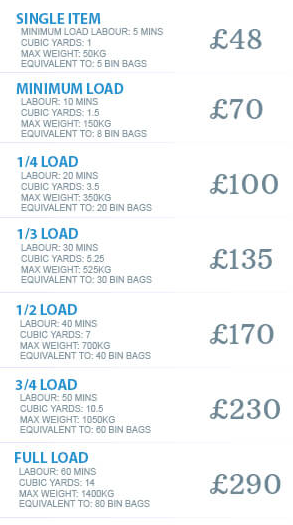
 Tipper Van - Rubbish Removal and Loft Clearance Prices in Catford, SE6
 Luton Van - Rubbish Removal and Loft Clearance Prices in Catford, SE6